

Sellers, Here Is What “Negotiating” Actually Looks Like Right Now
A few years ago, sellers could get away with saying no to just about everything.
No repairs.
No concessions.
No negotiation.
If buyers wanted the house, they pretty much had to take it on the seller’s terms. But now that inventory has grown, negotiation is becoming a normal part of the process again.
That is why one of the most important things sellers need to understand right now is this: the goal is not to win every negotiation. Sometimes the smarter move is meeting buyers where they are to get a deal done quickly. One of the most common examples right now is helping with a buyer’s closing costs. Here is what you need to know if it comes up in your sale.
What Buyer Closing Costs Actually Are
Closing costs are the extra expenses buyers pay on top of their down payment when they purchase a home. According to Freddie Mac, these typically include loan origination fees, appraisal and inspection costs, title and attorney fees, and survey fees among others.
Buyer closing costs typically run 2% to 5% of the home’s purchase price. On a $400,000 home, that translates to anywhere from $8,000 to $20,000 out of pocket on top of the down payment. In today’s affordability-challenged market, that upfront cash requirement can be a genuine hurdle for buyers, even ones who can comfortably afford the monthly mortgage payment itself. That gap is exactly why more buyers are asking sellers for help, and why understanding how to respond matters for your bottom line.
More Sellers Are Saying Yes Than You Might Expect
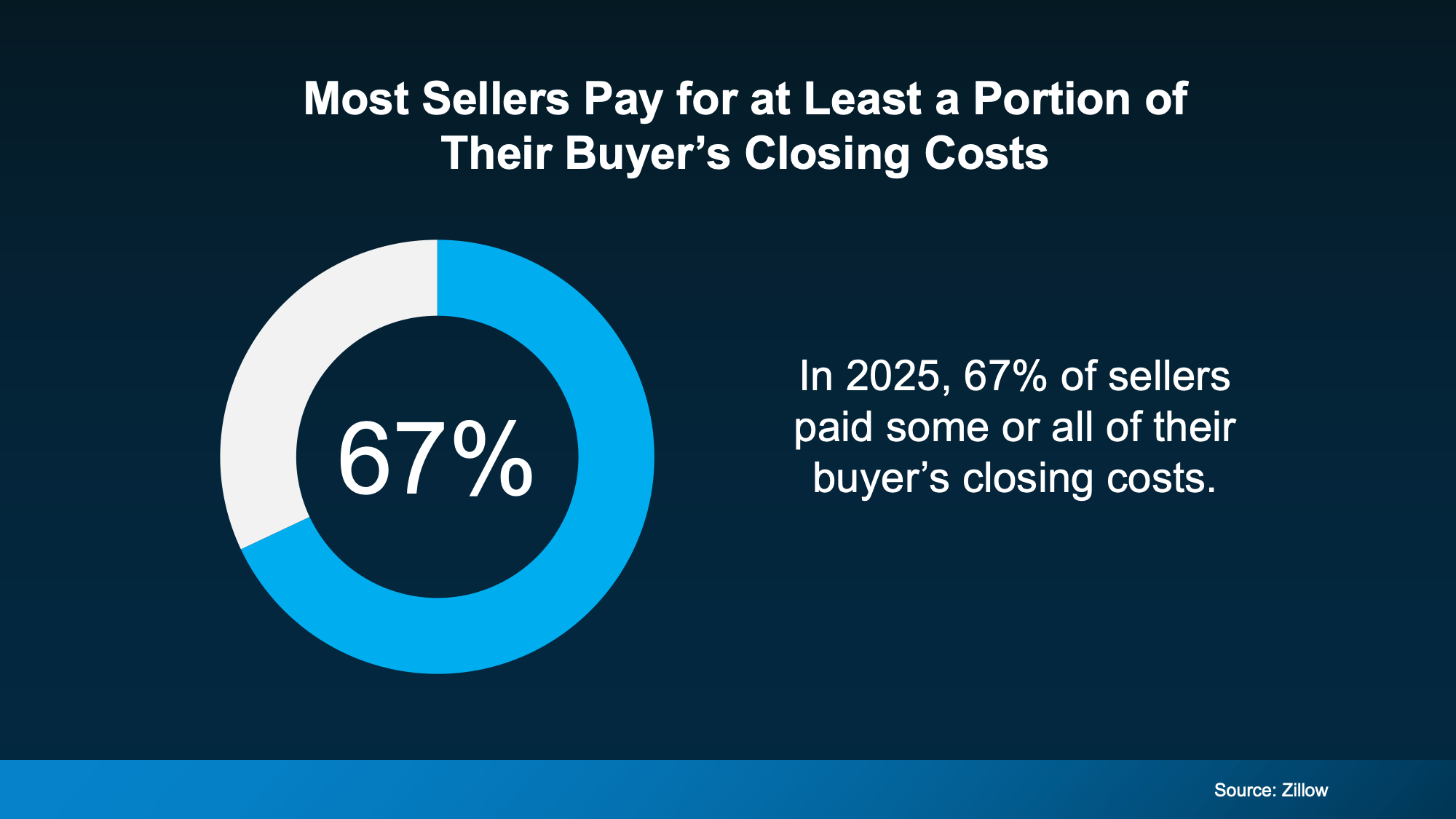
According to the latest data from Zillow, 67% of sellers reported paying some or all of the buyer’s closing costs in 2025. That does not mean every seller is doing it, and it definitely does not mean every seller should. But it shows just how common this concession has become as the market has shifted, and it is important context before you decide how to respond if a buyer asks.
When Paying Closing Costs Actually Makes Sense
This is where many sellers get stuck. The instinct is to hear “help with closing costs” and think, why should I pay for their expenses? But that reaction misses an important factor: who actually has the leverage in your specific market right now.
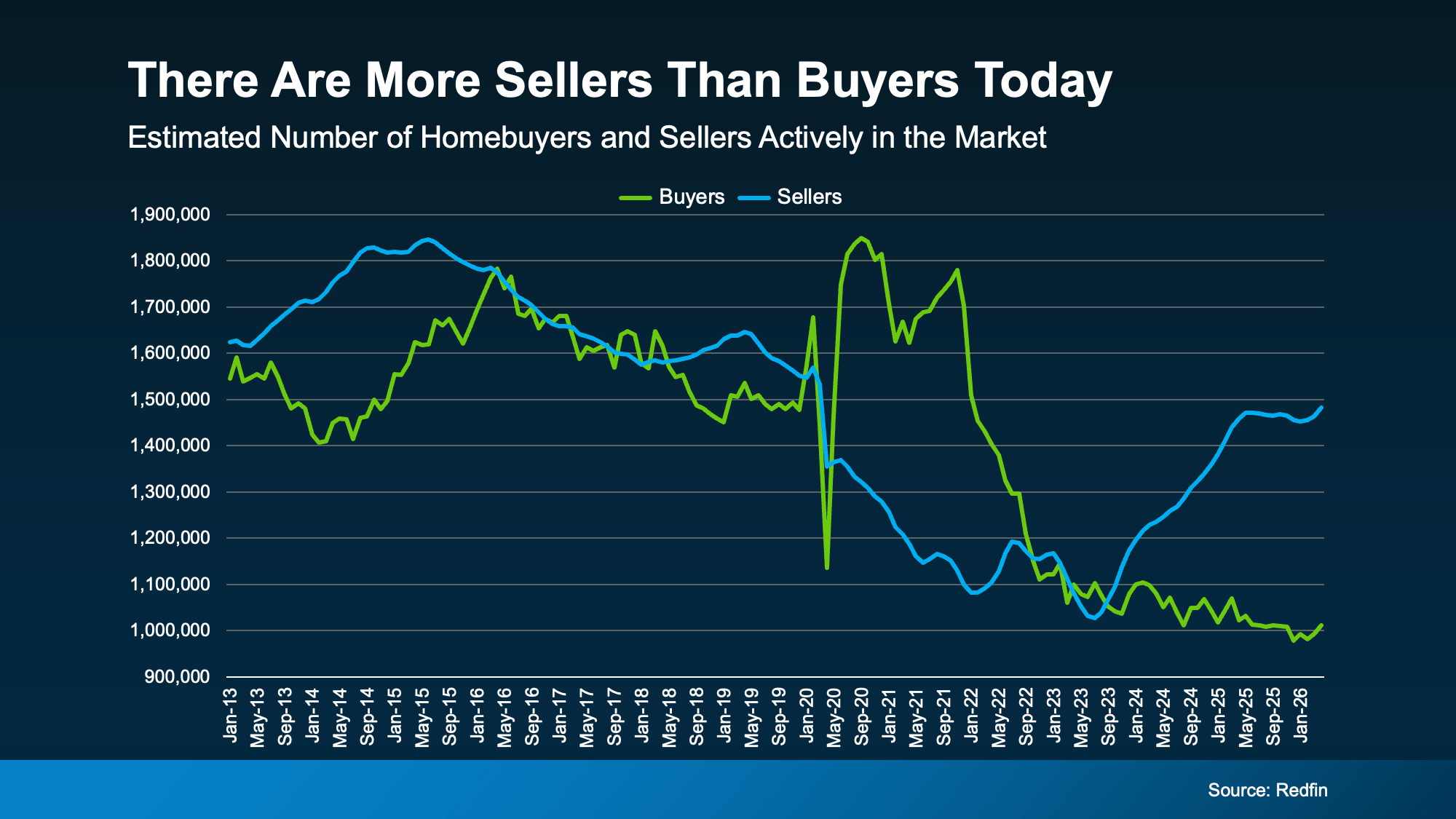
According to Redfin, there are currently more sellers than buyers active nationally, and that shift changes the negotiating dynamic. That does not mean every market favors buyers. Far from it. In some areas homes are still selling quickly and sellers retain plenty of leverage. In others, buyers have more room to negotiate than they have had in years. That is exactly why understanding your local conditions matters more than following a generic rule.
Helping with closing costs may be worth considering if there are a significant number of homes for sale in your area, your home has been sitting on the market longer than expected, you have had showings but no offers, you are personally motivated to move quickly, or you are trying to keep a deal together during active negotiations. If covering a portion of closing costs is what brings a serious, qualified buyer across the finish line, it is often a worthwhile trade for a faster, more certain sale.
For the current inventory and demand picture across South Jersey, our South Jersey Real Estate Market Update 2026breaks down exactly where leverage currently sits across Camden, Burlington, Gloucester, and Salem counties, which is the first thing to understand before deciding how flexible to be.
Other Concessions Worth Considering Instead
Being flexible does not mean saying yes to every request that comes in. It means understanding which compromises actually move you toward your goal. There are always alternatives to a straight closing cost contribution. Redfin suggests considering options like a home warranty, repair credits, a flexible closing date, or leaving behind appliances or furniture the buyer has shown interest in.
The right answer depends entirely on what buyers in your specific market are asking for and what matters most to you in the transaction. A buyer who is anxious about an older roof may value a home warranty far more than a small price reduction. A buyer trying to coordinate two closings may value flexible timing over anything financial. Knowing which lever to pull requires reading the actual negotiation, not applying a one-size-fits-all formula.
Pricing Strategy and Concessions Work Together
A home that is correctly priced from the start generates more interest and puts you in a stronger position to negotiate selectively rather than desperately. We covered exactly why overpricing backfires in The Pricing Mistake That Could Cost You Your Sale. Sellers who price right rarely need to offer significant concessions because demand does the heavy lifting. Sellers who price too high often find themselves negotiating from a position of weakness months later, conceding more than they would have if the price had been right from day one.
And for sellers wondering whether presentation could reduce how much concession leverage buyers have in the first place, Why Staging Your House Could Pay Off This Spring shows how the right preparation generates faster offers and stronger negotiating positions.
What This Means for Sellers in South Jersey Right Now
Negotiating dynamics vary significantly by community even within Camden County. Tight-inventory boroughs like Haddonfield and Collingswood still favor sellers in most price ranges, while communities with more active new construction or higher inventory levels may require more flexibility to get a deal done efficiently. Our Top Neighborhoods to Buy a Home in Camden County breaks down where that leverage currently sits, community by community.
The sellers having the most success right now are the ones who understand the market has changed and are adapting accordingly. Sometimes that means negotiating on closing costs. Sometimes it means offering something else entirely. The key is knowing which concessions are actually worth making in your specific local market and which ones you can reasonably decline.
Reach out to the MH Global team. If you are wondering what is normal in your area right now, what is genuinely worth negotiating, and where it makes sense to stand firm, let’s talk through your specific situation.