Your Home Didn’t Sell. Here’s How To Make Sure the Second Attempt Succeeds.
When a listing expires without selling, it hits harder than most people expect. It’s not just disappointing. It throws off your timing, your plans, and your confidence. And it raises two questions you probably keep coming back to: is it worth trying again, and what would actually be different this time?
The answer to the first question is almost always yes. The answer to the second is what this post is actually about.
The Market for Unsold Homes Is Larger Than You Think
Before getting into strategy, it helps to understand that your situation is not unusual right now. According to REDX’s national tracking of MLS data, expired listings have grown by 83% in the past two years, with more than 78,000 homes exiting the MLS without selling every single week as of April 2026. Redfin data shows 52.2% of all active listings were sitting on the market for 60 days or more in February, representing $347 billion in stale inventory nationally, the highest for that time of year on record.
That context matters for two reasons. First, it means your home not selling doesn’t reflect something uniquely wrong with your property. Overpricing, presentation, and market positioning are causing homes to sit everywhere right now. Second, it means the sellers who do successfully relist aren’t doing it by waiting for market conditions to magically shift. They’re changing what they can control. And that’s the whole game.
Why Homes Don’t Sell the First Time
Most expired listings share the same small set of root causes, and none of them are unfixable. Understanding which one applies to your home is the starting point for a better second attempt.
The Price Didn’t Match What Buyers Are Actually Paying
This is the most common cause, and in today’s market it matters more than ever. With mortgage rates elevated and buyers managing tighter budgets, a price that feels even slightly high gets skipped rather than negotiated. Buyers don’t make low offers on overpriced homes. They move to the next option. If your home sat without serious interest, price is the first thing to examine honestly. We laid out exactly how this dynamic plays out in The Pricing Mistake That Could Cost You Your Sale.
The fix is straightforward: pull fresh comparable sales data, not what homes sold for a year ago, and price to where buyers are transacting right now. A price that generates immediate interest is almost always better than one that leaves room to negotiate, because in today’s market a home that doesn’t generate interest in the first few weeks starts developing a stigma that’s hard to shake, as we covered in Why a Home That’s Been Sitting for Months Could Be Your Best Opportunity.
The First Impression Didn’t Generate Showings
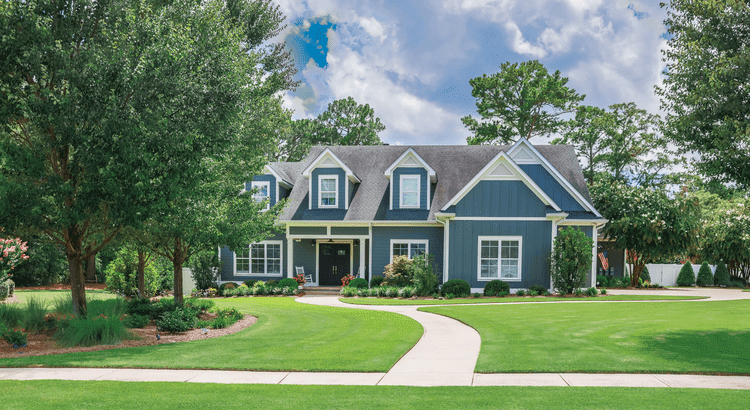
Most buyers decide in seconds whether a listing is worth their time. Dark photos, cluttered rooms, or a tired exterior don’t get second chances online. And even in person, small things stack up quickly: worn paint, dated fixtures, an overgrown yard. Individually they’re manageable. Together they create doubt, and doubt kills deals.
The fix before relisting: walk the property the way a buyer would, not the way an owner does. Start with what’s visible and inexpensive: fresh paint, better lighting, decluttered rooms, curb appeal. Then reshoot the listing photos so they reflect the home’s best version. This is directly connected to why staging consistently produces faster sales and stronger offers, which we covered in detail in Why Staging Your House Could Pay Off This Spring.
The Marketing Didn’t Create Enough Exposure
In a market where buyers have more options than they’ve had in years, a generic MLS upload isn’t enough to stand out. Your listing needs a real marketing plan: professional photography, a compelling description that communicates the home’s value clearly, video or walkthrough content, targeted digital exposure, and an open house strategy that creates genuine traffic rather than just checking a box.
Showings Happened But No Offers Came In
This one actually contains useful information if you read it correctly. If buyers came to see the home and still didn’t make offers, they liked it enough online to visit, which means the online presence was working. Something they experienced in person held them back. That feedback, gathered through your agent from showing activity, often points to a single specific issue: a price perception problem, a repair concern, a layout objection. The fix is making sure that feedback gets captured, communicated, and acted on quickly rather than sitting unaddressed for weeks.
Negotiations Didn’t Get Over the Finish Line
Even a well-priced, well-presented home can fall apart when the human side of the transaction isn’t handled well. Buyers today are more likely to ask for repairs, credits, or help with closing costs than they were a few years ago, as we covered in Should You Help Cover the Buyer’s Closing Costs? Being unwilling to negotiate strategically can cost you more than a reasonable concession would have. Decide before you relist what you’re willing to be flexible on and where your firm line is, so you’re not making those decisions under pressure in the middle of a negotiation.
The Common Thread Across All Five
Each of these issues is solvable. But solving them requires an honest assessment of what actually went wrong, not a repetition of the same approach with slightly different timing. A fresh perspective, whether that’s a different agent, a different pricing strategy, different photography, or a different negotiating posture, is what separates sellers who successfully relist from those who cycle through the same frustrating experience more than once.
The sellers getting it right on the second attempt are the ones who treat the first attempt as data, not failure. They learn what the market was telling them, adjust accordingly, and come back with a sharper, more informed strategy.
What This Means for Sellers in South Jersey
The expired listing surge is a national story, but the causes and solutions play out locally. In Camden County and the surrounding communities, the market remains active but more selective than it was during the pandemic years. Correctly priced, well-presented homes are still moving quickly. Homes that miss on price or presentation are sitting longer. Our South Jersey Real Estate Market Update 2026 gives you the current data on what buyers are paying in each county, and our Top Neighborhoods to Buy a Home in Camden County breaks down what buyers are expecting at different price points across the area.
If your home didn’t sell, you’re not stuck. You have information most sellers don’t have before they list: real-world feedback on what didn’t work. That’s a genuine advantage on the second attempt if you use it.
Reach out to the MH Global team. Let’s take an honest look at what happened and build a strategy that gives your home a real shot this time.