
Stay or Sell? How To Make the Right Call as You Age
At some point, the question comes up. Sometimes it arrives quietly, in a moment on the stairs or after a long weekend of yard work. Sometimes it surfaces during a conversation about what the next chapter of life is supposed to look like. Either way, it is worth thinking through carefully, because the right answer is deeply personal and the cost of getting it wrong in either direction is real.
The good news is that both paths, staying and selling, can lead to a great outcome. What matters is making the choice with full information and enough time to plan properly.
Most People Want To Stay. That Is a Completely Valid Starting Point.
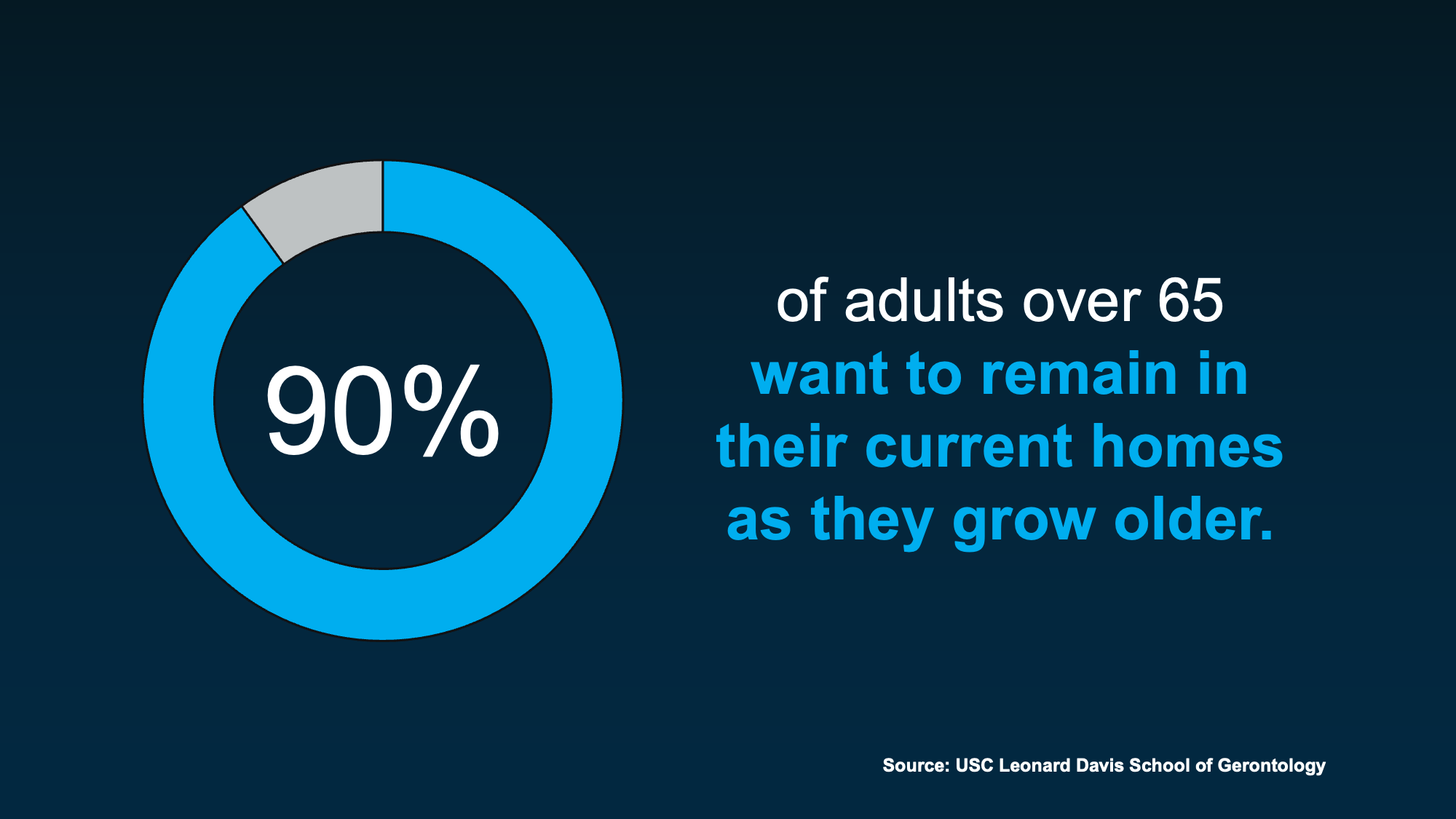
According to the USC Leonard Davis School of Gerontology, about 90% of adults over 65 prefer to stay in their homes as they get older. That preference is understandable. Your home holds history, routines, neighbors, and a sense of stability that is genuinely difficult to replicate somewhere new. Wanting to stay is not stubbornness. It is a legitimate quality-of-life priority.
But wanting to stay and being prepared to stay are two different things. The home that worked perfectly at 50 may need meaningful changes to work well at 75. Thinking about that gap now, while you have time and options, is the difference between a smooth transition and a stressful one.
If You Are Planning To Stay, Plan Ahead for What Your Home Will Need
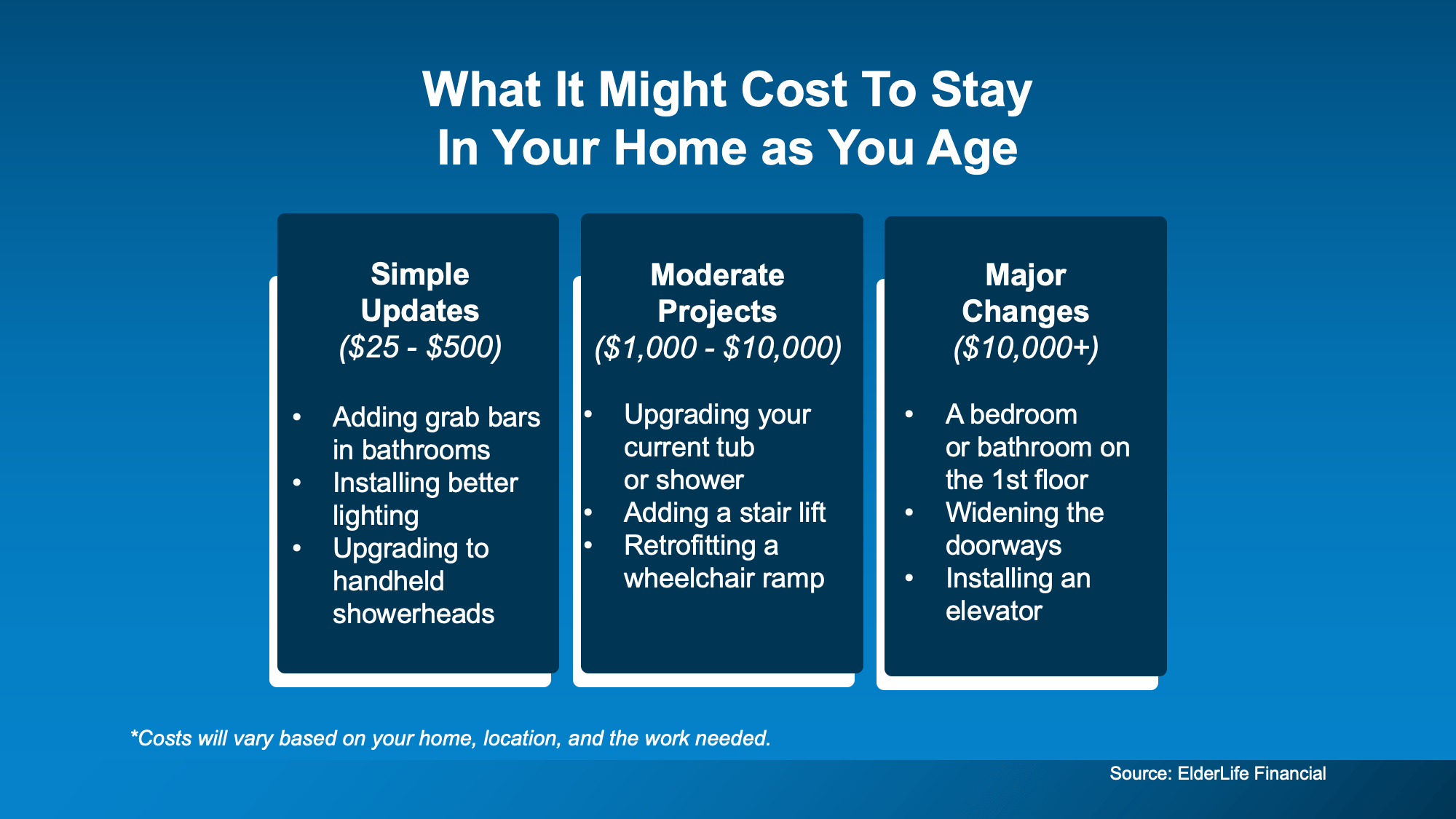
Aging in place is absolutely possible with the right preparation. The key is anticipating what changes your home may require before those changes become urgent. Small updates like grab bars in bathrooms, better lighting, and lever-style door handles are low-cost and easy to implement early. Larger changes like moving the primary bedroom to the first floor, widening doorways for accessibility, or adding a walk-in shower require more planning, more time, and more budget.
According to ElderLife Financial, the cost of aging-in-place modifications varies widely depending on scope. Minor safety updates might run a few hundred dollars. Full accessibility renovations can reach into the tens of thousands. The value of starting early is that you can phase those investments over time rather than facing them all at once under pressure.
Before making any significant updates, it is worth a conversation with a real estate advisor about which modifications tend to add value to your home in your specific market and which ones are primarily for personal use. Not every accessibility upgrade translates into resale value, and knowing the difference helps you make smarter decisions about where to invest.
Financial assistance programs exist for qualifying homeowners, and home warranty products can help manage unexpected repair costs along the way. Exploring those options early gives you more flexibility when you need it.
If You Are Considering Selling, You Are Not Alone and the Timing May Be Better Than You Think
As Pegasus Senior Living notes, while most older homeowners hope to age in place, practical considerations sometimes make selling the wiser choice. That shift is not a failure. It is wisdom.
The reasons people choose to sell vary. Sometimes it is physical: stairs become difficult, maintenance becomes overwhelming, or a layout that once felt generous starts to feel like a liability. Sometimes it is logistical: being too far from family, too far from medical care, or simply ready for a lifestyle that requires less upkeep. And sometimes it is purely about the next chapter: the desire to simplify, downsize, or move into a community designed for this stage of life.
Whatever the reason, sellers in today’s market are often in a stronger position than they realize. Homeowners who have owned for ten years or more have likely accumulated significant equity, as we covered in Record High Mortgage Debt Sounds Scary. Here’s What the Headlines Leave Out. That equity can fund a meaningful transition, whether that means a smaller home, a 55-plus community, or moving closer to family.
The Equity You Have Built Is a Real Asset in Either Scenario
Whether you stay or sell, the equity you have built over the years is a resource worth understanding clearly. If you stay, it represents financial security and the ability to fund modifications or cover unexpected costs. If you sell, it is the capital that opens the door to your next chapter. Our South Jersey Real Estate Market Update 2026 gives you a current picture of what homes in our area are actually selling for, which is the starting point for any honest conversation about what selling would actually put in your pocket.
Downsizing Does Not Mean Downgrading
One of the biggest mental barriers to selling is the assumption that a smaller home means a lesser life. That is rarely true, and the data on homeowner satisfaction in right-sized homes tells a different story. We explored this in depth in Less House, More Home: Why Smaller Homes Are Paying Off for Today’s Buyers, and the same logic applies to downsizers. A home that fits your actual life in this chapter, with less maintenance, lower carrying costs, and a layout that works for you, often delivers more day-to-day satisfaction than a larger home that demands more than it gives.
The Goal Is Confidence, Not Speed
There is no urgency to make this decision today. The goal is simply to understand your options clearly enough that when the time does come, you feel informed and ready rather than rushed and reactive. That clarity starts with an honest conversation about your home, your equity, your timeline, and what you actually want the next chapter to look like.
Reach out to the MH Global team. Whether you are leaning toward staying, thinking about selling, or simply want to understand what your options look like right now, we are here to give you a straight and honest picture so you can make the right call for your situation.